UK weather forecast: Super El Nino could bring freezing winters and global heat surge

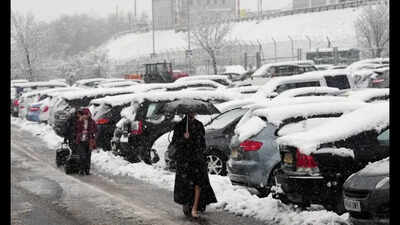
UK weather forecast: Super El Nino could bring freezing winters and global heat surge
Later in 2026, climate experts predict changes in worldwide weather once El Nino takes hold. Global temps may climb, according to projections. The UK could face sharper cold snaps during winter months instead. Regional effects will differ, but warming trends appear likely overall.One reason scientists point to? A fading La Nina, part of the broader El Nino-Southern Oscillation pattern. Australia’s weather agency sees that cool phase winding down now, opening space for balanced ocean temps ahead of a possible flip to warmer ones. Across the Pacific, U.S. forecasters estimate just under two out of three chances for an El Nino start during midyear, lasting into late 2026.Expectations grow warmer as scientists predict El Nino might push up global heat around 0.2⁰C. On top of ongoing warming, this shift can alter how storms and rain move worldwide. Not just slightly warm, the US agency sees true strength when Pacific waters climb more than 1.5⁰C past normal levels. During late year months, the odds sit at roughly thirty-three percent for hitting those highs. Back then, powerful El Nino phases didn’t happen often. During 2015 and 2016, one pushed Earth’s warmth higher than ever seen before, while oceans crept up and ice across the North Pole shrank. Because of what unfolded earlier, experts now look for similar signs ahead.Across different regions, effects differ sharply when El Nino arrives. In places like Australia, Indonesia, and the Philippines, skies stay clearer than usual; this raises fire risks as land grows parched. Down along South America’s west coast, Peru and Ecuador see storms dump far more water than normal, sometimes overwhelming rivers and roads. At times, rains across India slacken because of shifts linked to this pattern. Meanwhile, some U.S. states near the Gulf Coast catch wetter winters due to changes stirred by warmer ocean patches. Winter shifts in the UK tend to be more muted. According to the Met Office, warmer Pacific waters can tilt conditions toward chillier seasons. Researchers note impacts on local skies may arrive late, sometimes showing up long after sea temperatures shift. Warmth climbing across the planet seems tied to shifts in how El Nino and La Nina behave. Scientists keep digging into this link, tracking patterns over years. Stronger extremes show up when oceans grow hotter, feeding wild swings in weather. Instead of fading, these cycles appear to intensify alongside temperature rise. Global warming alters how natural climate patterns unfold today. During cooler phases like La Nina, readings still exceed those seen during past warm El Nino events. Shifts such as these arise when Earth’s inherent fluctuations meet rising baseline temperatures. Over time, this blend redefines what counts as extreme weather.